In summer, who isn’t tempted to walk barefoot on rocks and terraces? While it would be a shame to deprive yourself of this gentle indulgence, it’s true that doing so can damage your feet and lead to the appearance of calluses on your feet, which are unsightly, uncomfortable, and even painful. Often neglected, your feet deserve the same attention as the rest of your body: remember, they bear your weight all day long! In this context, baking soda, an essential ally in your kitchen, can also guarantee soft and smooth feet. We’ll explain in this article.
Calluses on your feet: what are they?
Calluses on your feet, sometimes called calluses, are a thickening of the surface layer of the skin, mainly caused by repeated pressure or friction. This phenomenon often occurs on contact areas such as the heels, soles of the feet, and sides of the toes. The skin develops this “shell” to defend itself against external aggressions. The accumulation of dead cells creates a hard, rough surface, which can become uncomfortable and sometimes painful.
Why do I have calluses on my feet?
Let’s summarize the main causes of calluses on the feet:
Dehydration: Dry skin is more likely to thicken and form calluses on the feet. Therefore, not moisturizing from within or moisturizing your feet can aggravate the problem.
Age: As we age, mature skin inevitably loses its elasticity and natural moisture, increasing calluses.
Wearing unsuitable shoes: Wearing ill-fitting or tight shoes can cause friction and excessive pressure on certain areas of the foot, which inevitably contributes to calluses.
Intense physical activity: Sports activities, especially high-impact sports, increase the risk of developing calluses due to repetitive movements and pressure on the feet.
Foot deformities: Having hammertoes, flat feet, or bunions can promote thickening of the skin in certain areas, again due to pressure.
Calluses on the feet: associated symptoms
Calluses on the feet are generally accompanied by:
- Thickening of the skin: common on the heels, soles, or sides of the toes. This skin is usually rough to the touch and may appear dry or scaly. It often has a discolored, yellowish, or grayish appearance compared to the surrounding skin.
- Discomfort or pain: particularly when walking or standing for long periods of time. In more severe cases, the calluses can crack, resulting in painful fissures, which in turn pose a risk of infection. One thing is certain: identifying these symptoms allows you to act quickly to treat and prevent calluses, keeping your feet moisturized, comfortable, and healthy.

What are the risks of having calluses on your feet?
Beyond their unsightly appearance, calluses can lead to complications if not treated properly. Possible consequences include discomfort, pain, altered gait, difficulty putting on shoes, and possibly ulcers in people with diabetes or severe circulatory problems.
Why is baking soda effective for removing calluses on your feet?
Thanks to its exfoliating and softening properties, baking soda is effective for removing calluses on your feet. It first acts as a gentle exfoliant that helps remove dead skin cells, thus reducing the thickness of the calluses. By mixing baking soda with water, you get a paste that helps soften hard, rough skin, making it easier to remove the calluses. Baking soda also has antibacterial properties, which helps prevent potential infections caused by cracks in the corns. When used regularly, baking soda helps balance the skin’s pH, promoting a healthy environment for the entire foot.
How to get beautiful feet without calluses?
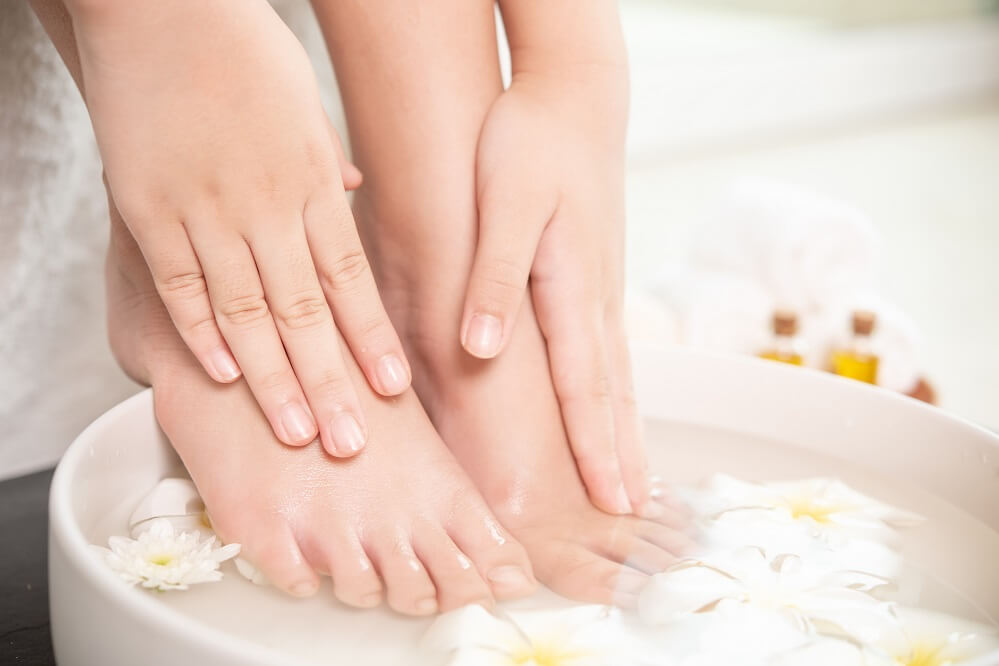
1. Do foot soaks: To soften a thick callus, start by soaking your feet in a solution of baking soda in warm water. Let your feet soak for 5 to 10 minutes maximum to avoid drying out your skin.
2. Perform a gentle exfoliation: Once or twice a week, after bathing, use baking soda and water to form a paste that can be used for exfoliation this time. Don’t hesitate to complement this with a foot file or pedicure kit if the callus is very thick. Rinse thoroughly.
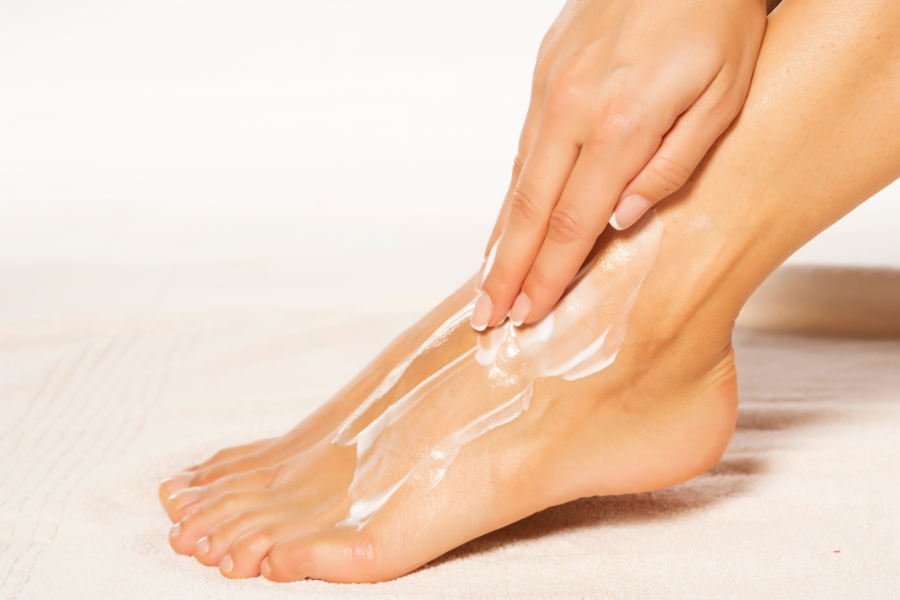
3. Moisturize the skin of your feet: Every day, especially after showering or bathing, use a moisturizing foot cream.
Precautions for Use
- Do not rub the callus too vigorously with a pumice stone to avoid damaging the skin.
- Maintain good hygiene of the tools used.
- Do not use products that are too harsh or not recommended for skin, and do not use too much or too often baking soda. If you have diabetes, circulatory problems, or infections, consult a healthcare professional before attempting any home treatment.
Read also: Your Perfect Pedicure, Delivered: Deluxe 4 Pedi Kit