I used to think nail care was just about making them look nice. A little polish here, a quick file there. But then I learned the hard way that healthy nails aren’t just pretty—they’re a window into your overall health. Changes in color, texture, or growth rate can signal everything from vitamin deficiencies to thyroid issues.
The good news? Most nail problems are preventable with simple, consistent care. And that care isn’t complicated. Here’s everything I’ve learned about keeping both fingernails and toenails strong, smooth, and healthy.
Why Nail Health Matters
Your nails are made of keratin—the same protein as your hair. The visible part (the nail plate) is dead, but the living part underneath (the nail matrix) is where growth happens. When you damage the matrix, you affect every nail that grows after.
Healthy nails grow at an average rate of about 3 millimeters per month for fingernails, half that for toenails. They should be smooth, slightly pink (from the blood flow beneath), and free of ridges, pits, or discoloration.
If your nails suddenly change texture or growth rate, it’s worth mentioning to a doctor. Often, though, poor nail health comes down to simple neglect or bad habits.
Daily Habits for Healthy Nails (Both Hands and Feet)
Keep Them Clean and Dry
Wash your hands and feet daily with mild soap. But here’s the catch: too much water is just as bad as too little. Prolonged soaking softens nails and makes them more likely to tear or peel. After washing, dry thoroughly—especially between toes and under nail tips.
Moisturize Relentlessly
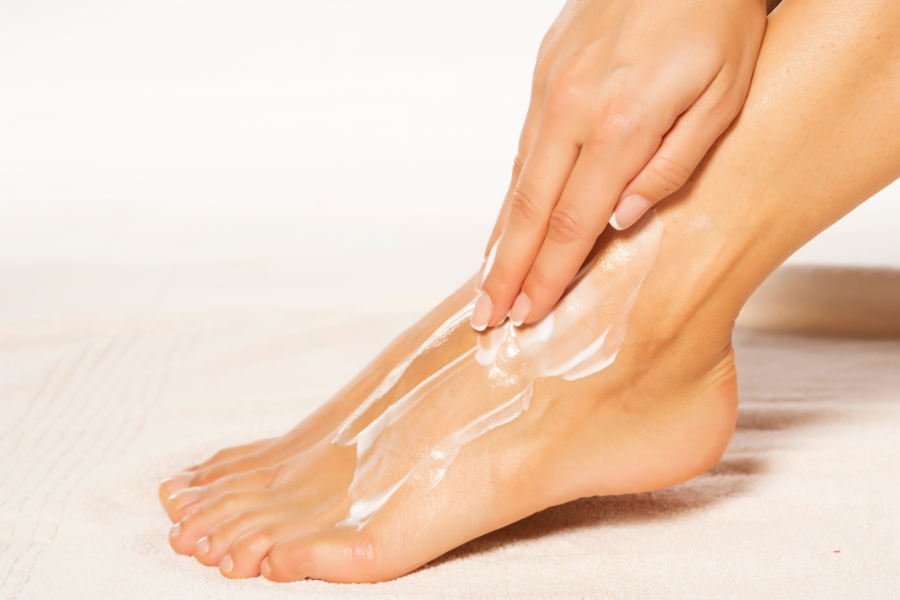
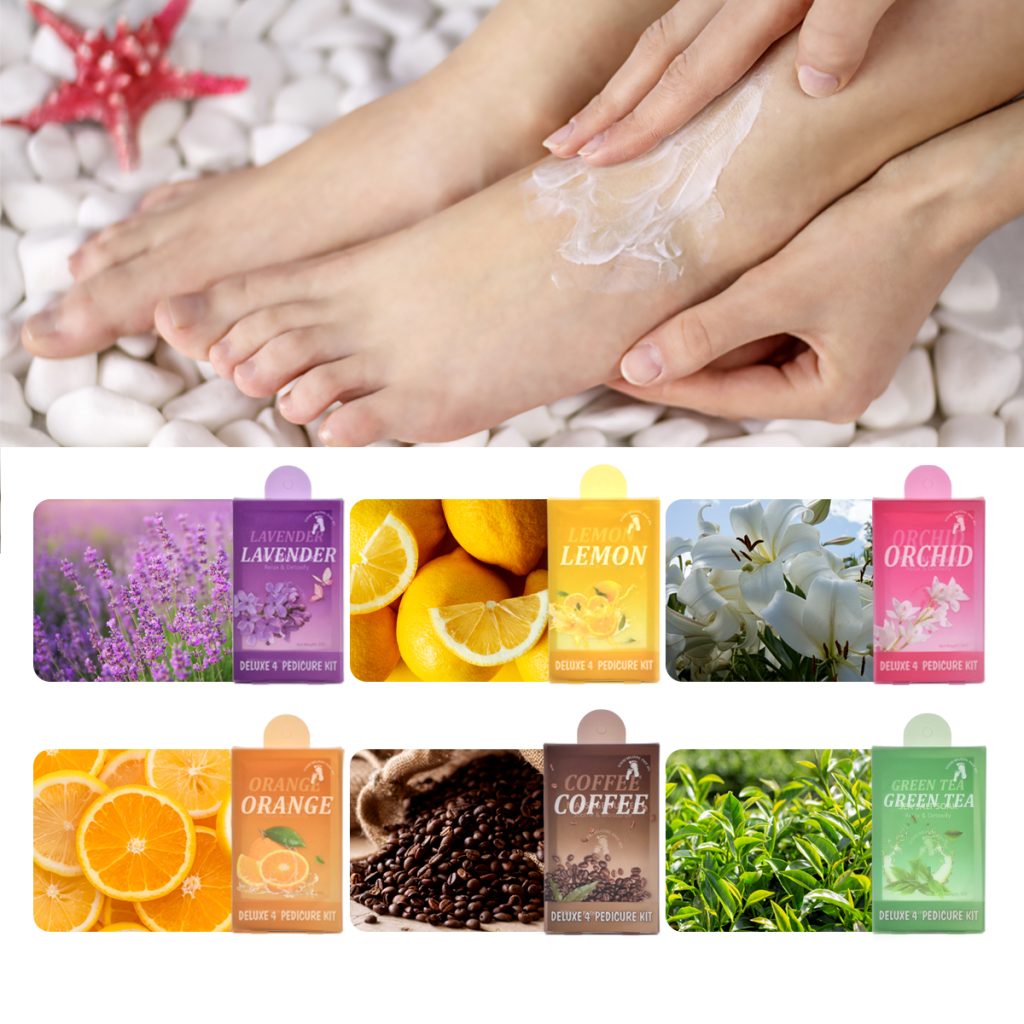
Nails need hydration just like skin. Apply cuticle oil or a rich hand cream to your fingernails daily. For toenails, use foot cream after bathing. Jojoba oil penetrates the nail plate better than petroleum-based products. Massage it into the cuticle area and under the free edge.
Don’t Use Your Nails as Tools
I’m guilty of this one. Opening soda cans, peeling off stickers, scraping labels—all of it puts stress on the nail plate. That stress creates micro-fractures that eventually lead to peeling and breakage. Use a tool instead.
Wear Gloves for Harsh Work
Cleaning products, dish soap, and even repeated handwashing strip natural oils. For fingernails, wear rubber gloves when cleaning or washing dishes. For toenails, wear moisture-wicking socks and change them daily.
Fingernail Care: Specific Steps
Trim and File Correctly
Cut fingernails straight across, then gently round the tips in a slight curve. Use sharp clippers—dull ones crush the nail. File in one direction only (sawing back and forth creates tiny tears). Use a fine-grit nail file (240+) for natural nails.
Push, Don’t Cut, Your Cuticles
The cuticle is a protective seal against bacteria. Cutting it invites infection. After softening (post-shower or with cuticle remover), gently push back cuticles with a wooden stick. Only trim loose, dead skin flaps—never living tissue.
Take Breaks from Polish
Constant coverage hides problems and prevents oil from penetrating. Give your nails one or two days per week completely bare. This also lets you check for changes in color or texture.
Watch for Signs of Trouble
- White spots: Usually from minor trauma, not calcium deficiency. They’ll grow out.
- Vertical ridges: Often normal with age. Deep ridges may signal nutritional issues.
- Pitting or crumbling: Could be psoriasis or fungal infection. See a doctor.
- Yellowing: Often from dark polish without base coat. If persistent, may be fungus.
Toenail Care: Different but Equally Important
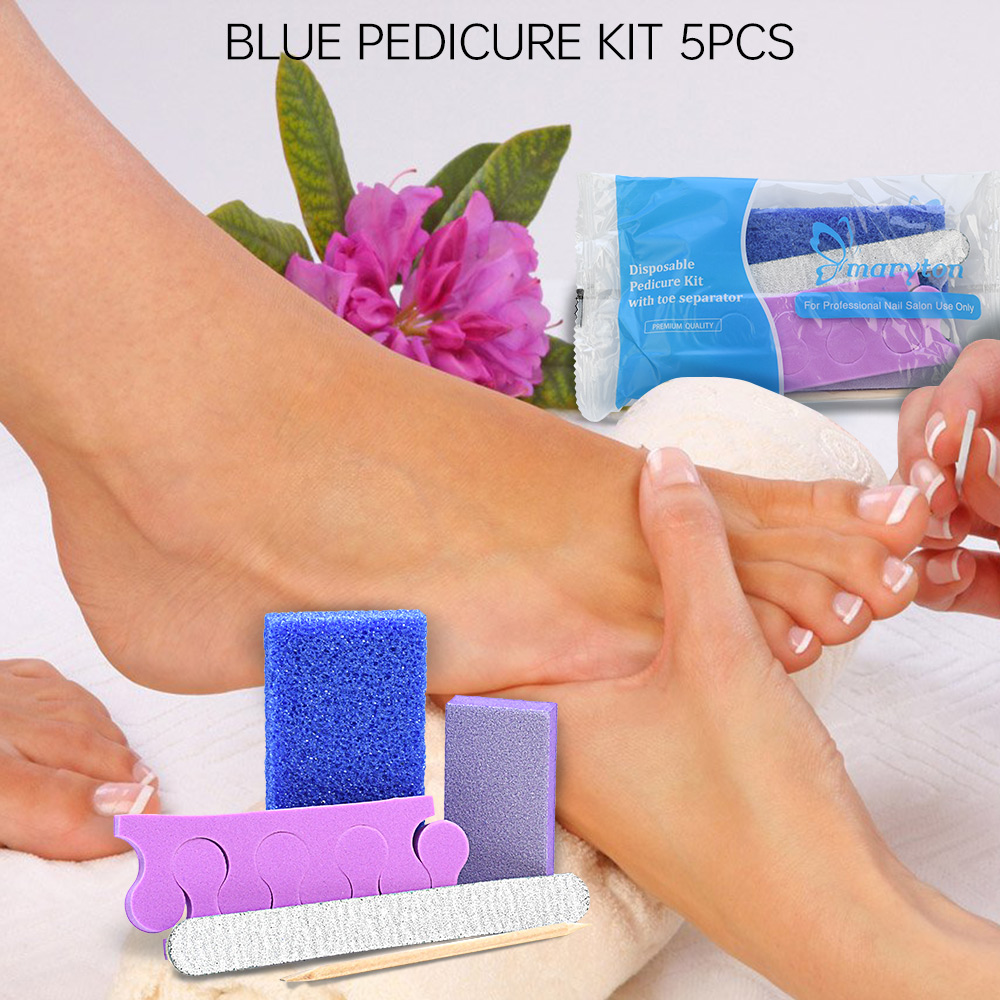
Toenails are thicker, grow slower, and face more friction and moisture than fingernails. They need slightly different care.
Trim Straight Across
This is critical. Curved corners become ingrown toenails. Use strong clippers designed for toenails. Leave a small amount of white at the tip—cutting too short invites pain and infection. File edges smooth.
Keep Toes Dry
Moisture between toes is the #1 cause of fungal infections. After showering, dry thoroughly between each toe. Consider using a separate towel for your feet. Wear clean, breathable socks (cotton or merino wool) and change them daily.
Exfoliate Heels, Not Nails
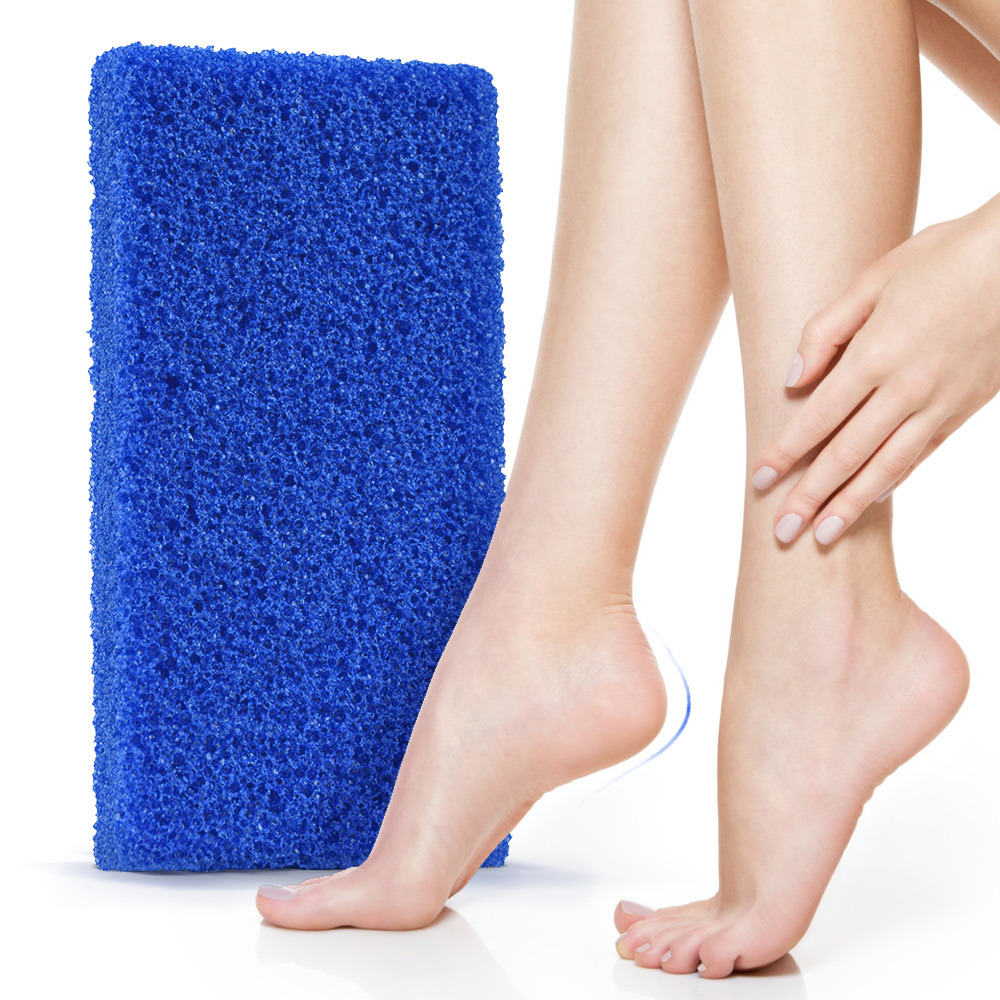
Calluses on heels are normal, but excessive thickness can crack. Use a pumice stone once a week on damp skin. Never file the nail surface aggressively—it thins the nail and makes it prone to breakage.
Choose Shoes Wisely
Tight shoes crush toes and cause ingrown nails. Open-backed shoes cause heels to crack. Rotate your shoes so they dry completely between wears. If you have diabetes or circulation issues, always wear well-fitted, protective footwear.
What to Avoid
Biting or picking nails. This damages the nail bed and introduces bacteria.
Using acetone-based removers too often. They dry out the nail plate. For regular polish, use non-acetone removers.
Ignoring hangnails. Clip them cleanly with sanitized nippers. Picking makes them worse.
Sharing nail tools. Fungus and bacteria spread easily. Keep your own clippers, files, and pushers.
Over-buffing. Buffing smooths ridges but thins the nail. Light passes only, once a week max.
Nutrition for Nail Health
Your nails grow from within. If your diet lacks certain nutrients, your nails will show it.
- Protein: Nails are keratin, which is protein. Eggs, fish, lean meat, beans.
- Biotin: Found in eggs, nuts, seeds. Studies show it improves nail thickness.
- Iron: Low iron causes thin, spoon-shaped nails. Spinach, red meat, lentils.
- Zinc: Oysters, beef, pumpkin seeds.
- Vitamin C: Citrus, bell peppers, strawberries. Needed for collagen production.
A balanced diet is better than chasing individual supplements. But if your nails are consistently brittle or slow-growing, a biotin supplement (2.5-5 mg daily) might help—after consulting a healthcare provider.
When to See a Doctor
Most nail issues are cosmetic or mechanical. But some signs warrant medical attention:
- Nails that are thickened, crumbling, or have dark discoloration
- Swelling, redness, or pain around the nail (possible infection)
- Nails separating from the nail bed
- Changes in nail color that don’t grow out (black, green, or yellow bands)
- Any nail change accompanied by fatigue, weight changes, or skin symptoms
Your nails can be early warning systems for conditions like psoriasis, anemia, thyroid disease, or fungal infection. Don’t ignore persistent changes.
The Bottom Line
Healthy nails don’t require expensive products or complicated routines. They need consistent, gentle care: keep them clean and dry, moisturize daily, trim correctly, protect them from trauma, and feed your body well.
Pay attention to both your fingernails and toenails—they work hard for you every day. A few minutes of care each week keeps them strong, smooth, and free from problems.
And honestly? Running your fingers over smooth, clean nails just feels good.
Read also: The Home Pedicure: Your Guide to Salon-Perfect Feet